
A remote northern city with large agricultural estates and a logistics corridor — where the security model that works is patrol, not posts.
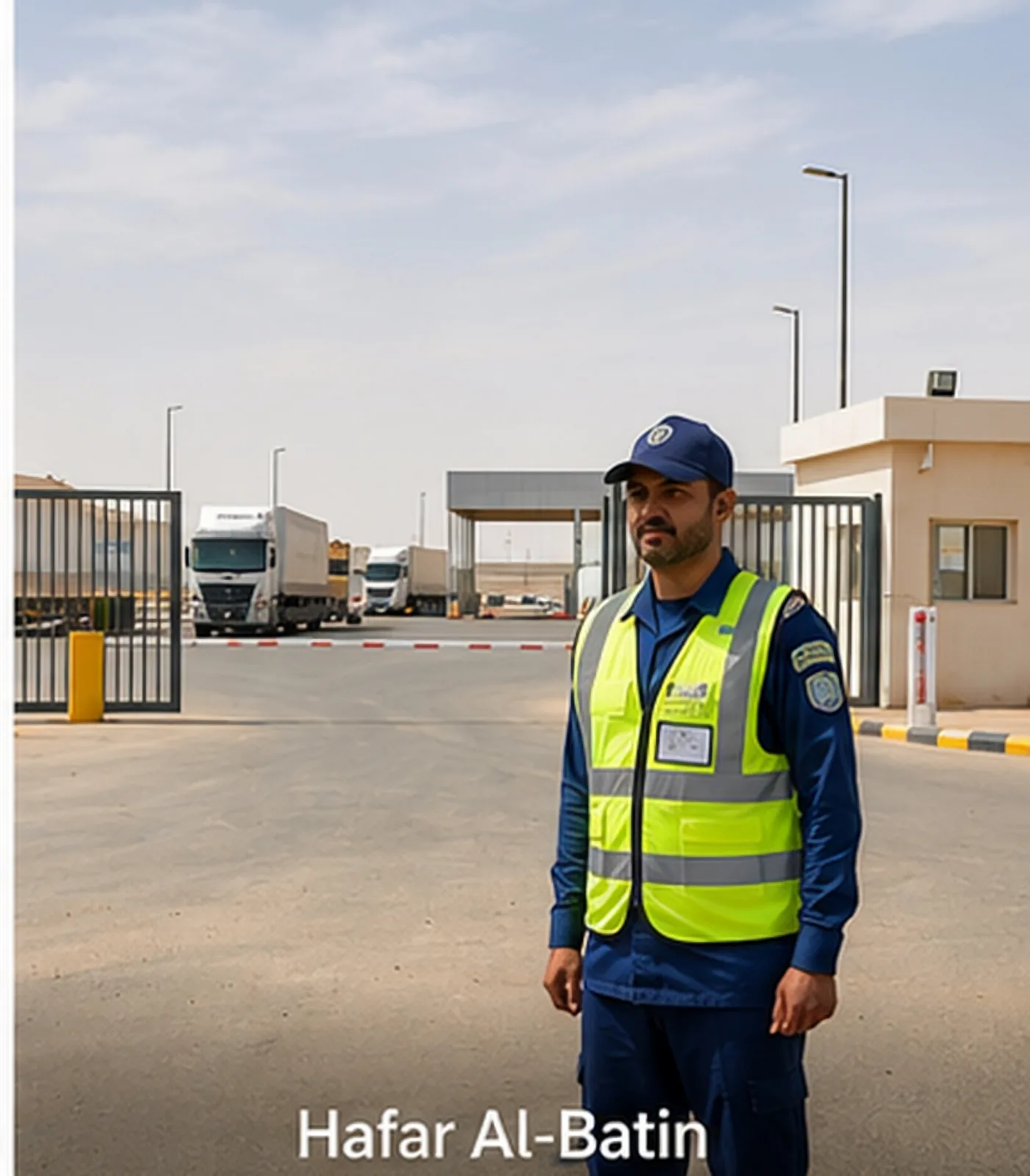
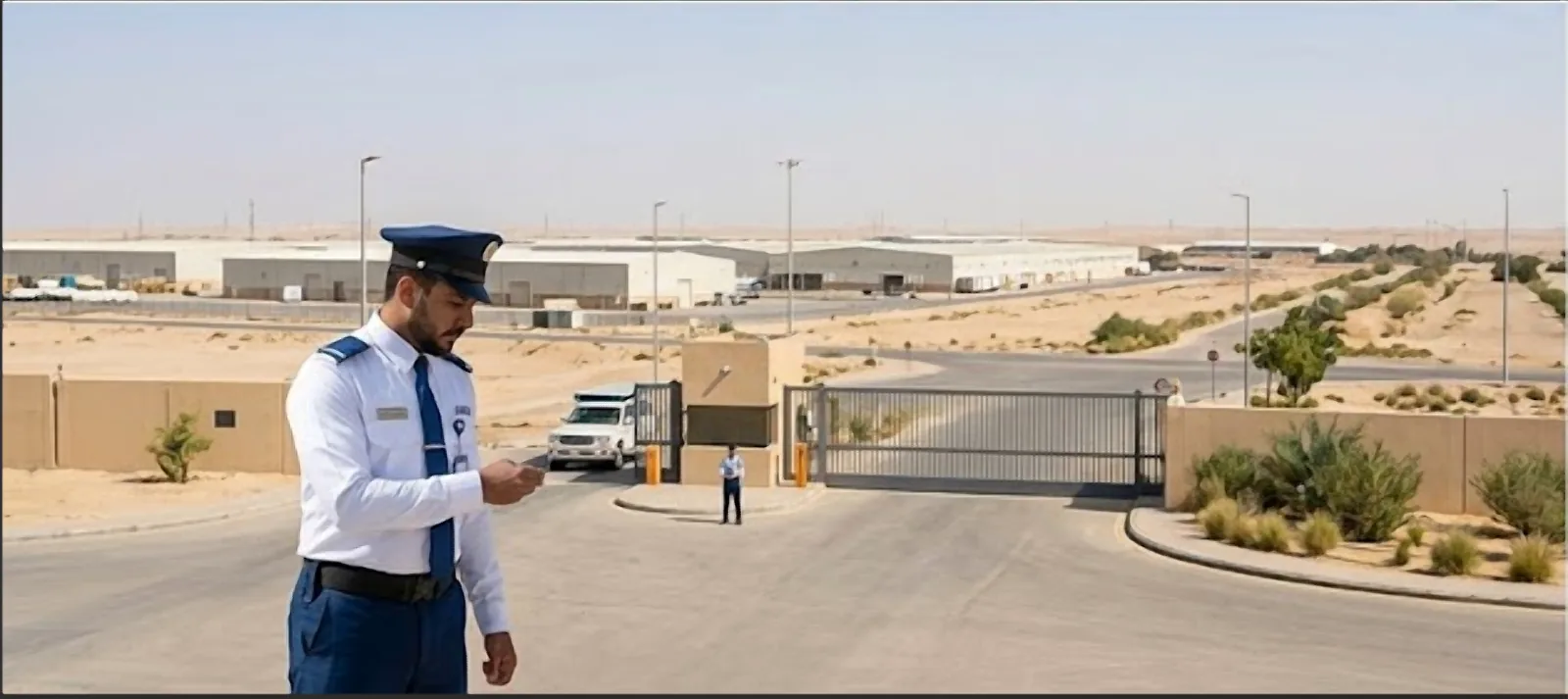
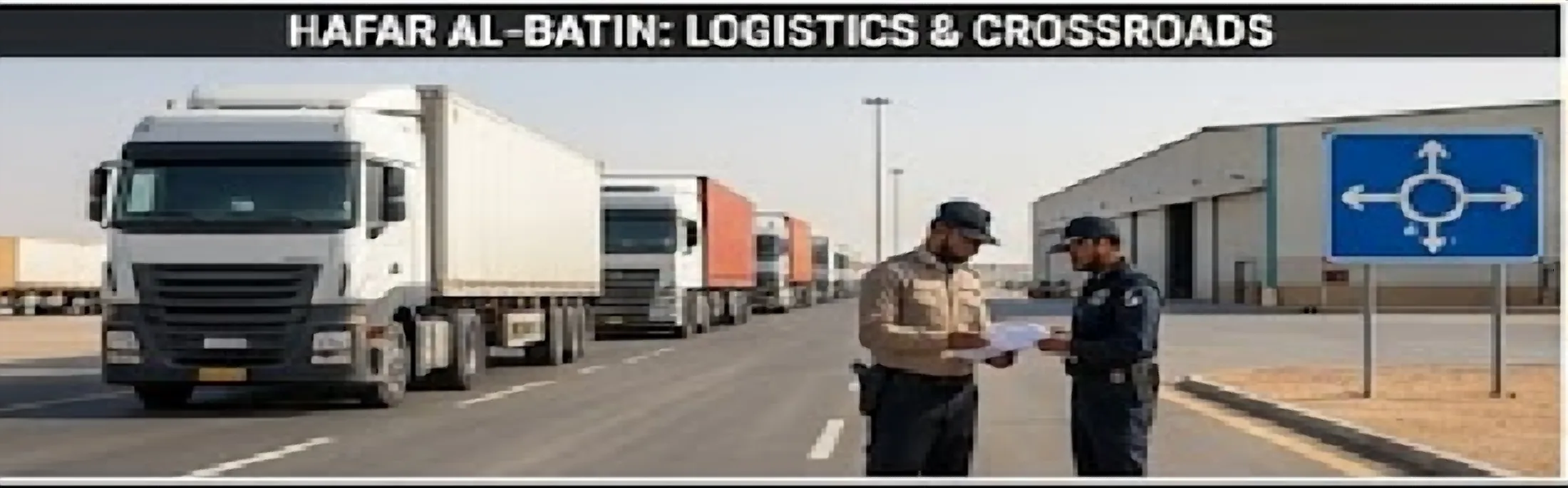
Hafar Al-Batin is one of the more genuinely underserved security markets in the Kingdom, and the reason is simple: it is a long way from anywhere with a large pool of licensed guards. Most providers quote it and then discover they cannot actually staff it.
Hafar Al-Batin is remote from the main population centres. This is not a detail — it is the central operational fact of working here.
It means a provider has two options: maintain genuine local capacity, or transport guards in and house them. The second is expensive and, done carelessly, unsustainable — which is why sites in this region so often experience a provider who deploys enthusiastically and then quietly degrades, replacing named guards with whoever will make the journey.
Ask any provider directly whether they have people in the region or intend to bring them. If it is the latter, ask who pays for the housing and transport, and get the answer in the contract. Otherwise it will return to you as a variation order once you are dependent on them.
Hafar Al-Batin sits at the centre of substantial agricultural operations. Farms, irrigation infrastructure, equipment yards, storage, and fuel — spread across very large areas with almost no natural chokepoints.
Static guarding is the wrong tool here and it is sold anyway. A guard at a farm gate protects the gate. The pivot irrigation equipment, the diesel tank and the machinery shed are two kilometres away and entirely unwatched.
The model that actually works is mobile patrol on a randomised schedule across the high-value points, with static cover reserved for the equipment yard or fuel store where value genuinely concentrates. And the patrol must be randomised — a farm patrol that arrives at the same hour every night is a published timetable. See perimeter patrol.
Diesel, above all. Then hand tools, pumps, cable and equipment components. Portable, resaleable, and gone overnight. The losses are individually modest and cumulatively serious, and they almost never appear in an incident report because nobody notices until something fails.
The city sits on a significant freight route, which brings depots, yards, transport operators and fuel facilities. Their exposure is at the dock and the driver — verification of who is loading, what is leaving, and against whose authorisation.
Conventional commercial premises, retail, and ongoing construction — the standard urban requirements, at a smaller scale than the major cities but with the same failure modes.
The wider region includes significant military installations. As with any such facility, these are not a private security market and we do not represent otherwise. The serviceable economy is the civilian one: agriculture, logistics, commerce and construction.
We work with local partners and teams in the northern region rather than shipping guards on a long drive. Standard deployment is 5 to 7 working days — longer than our major-city lead time, and we would rather say so than promise 48 hours and disappoint you. Remote agricultural sites requiring accommodation arrangements need longer, and we will tell you exactly how long before you sign.
We work with local partners and teams in the northern region. This matters more here than almost anywhere: the common failure in remote regions is a provider who deploys enthusiastically, then quietly degrades as the transport burden bites. Ask any provider this question directly, and if they intend to bring guards in, get the housing and transport terms into the contract before you sign.
Randomised mobile patrol across the high-value points, with static cover only where value genuinely concentrates — the equipment yard, the fuel store. Static guarding at a farm gate protects the gate while the irrigation equipment and diesel tank sit unwatched two kilometres away. And the patrol must be randomised, or it becomes a published timetable.
Diesel above all, then hand tools, pumps, cable and equipment components. Portable and easily resold. Losses are individually modest and cumulatively serious, and they rarely appear in an incident report because nobody notices until something fails.
5 to 7 working days for standard sites — longer than our major-city lead time. Remote agricultural sites requiring accommodation arrangements take longer, and we will tell you exactly how long rather than promise 48 hours and disappoint you.
We operate in Hafar Al-Batin through our regional teams and service partners. We do not maintain a branch office here — we maintain people here.
Tell us about your site and we will come back with a realistic scope and a straight answer on lead time.