
A guard at the entrance deters the amateur. Most of what you are losing walks out the staff door, and it has a name badge.
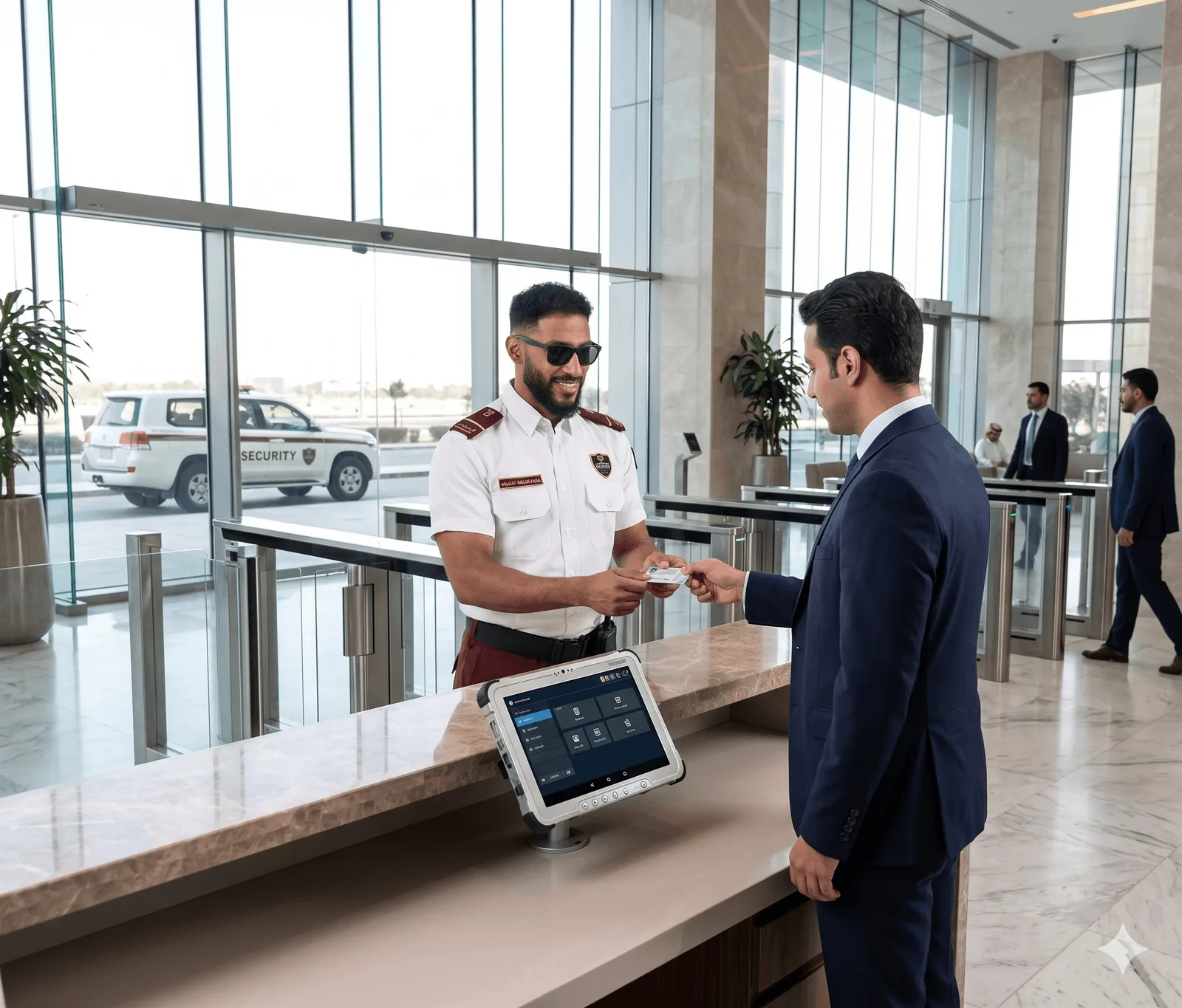
Retailers buy security guards and continue to lose stock, then conclude that security does not work. What actually happened is that they bought deterrence when the problem was shrinkage — and those require completely different things.
Retail losses come from four places: shoplifting, internal theft, supplier and delivery fraud, and administrative error.
The one everyone plans for — shoplifting — is rarely the largest. A substantial share of retail shrinkage involves staff, or people working with staff. Retailers resist this conclusion, which is precisely why it persists.
And a uniformed guard standing at the front door does approximately nothing about any of it. He is positioned against the smallest category, facing the wrong direction.
Not a guard. A process.
Which categories, which stores, which shifts, which doors? Shrinkage that is not measured cannot be reduced, and most retailers cannot answer these questions with data — only with impressions.
Impressions are usually wrong. The suspicion falls on customers; the numbers, when someone finally looks, tend to point at a back door on a Thursday evening.
A trained loss prevention officer watches for patterns — the same discrepancy at the same till, the same route through the store, the same delivery that is always short. That is what produces evidence.
Profiling individuals produces nothing except complaints and, eventually, a legal problem.
A guard or loss prevention officer cannot detain, search, or seize property from a customer or a staff member. Not their bag. Not their person. Not by standing in the doorway.
Retail managers instruct guards to do exactly this more often than in any other sector, usually in good faith, usually under pressure, and usually about a loss worth a few hundred riyals.
The result is a wrongful-detention claim in place of a stock loss. That is a catastrophic trade, and the liability does not stop with the guard — it reaches the business that gave the instruction.
The lawful and more effective route is: observe, document precisely, and escalate to the authorities. A clear evidence trail supports dismissal or prosecution. A physical intervention supports a claim against you. See what guards can and cannot do.
Any bag check, screening or intervention involving a woman — customer or staff — requires a female officer. Without one, a retailer has two options: skip the control, or have a male officer do it. The second is worse than the loss.
If you operate a single small store, a full-time loss prevention officer may not be your best spend. Better process — goods-in verification, a staff bag-check policy, a returns audit — frequently outperforms a person standing near the door, and costs nothing.
We would rather tell you that than sell you a post you cancel in four months.
Related: retail security · mall security · CCTV monitoring
Usually not. A substantial share involves staff, or people working with staff, alongside supplier and delivery fraud and administrative error. Retailers resist this conclusion, which is precisely why the losses persist — and it is why a uniformed guard at the front door, facing the wrong direction, changes so little.
Staff exits and bag checks — and it is the one nobody wants to implement because it is awkward. After that: verifying goods-in counts before signing, controlling waste and damage disposal, and auditing returns and refunds. None of these involve a guard at the entrance.
No. He cannot detain, search or seize property from a customer or staff member — not their bag, not their person, not by standing in the doorway. Retail managers instruct guards to do this more than any other sector, and it converts a small stock loss into a wrongful-detention claim against the business.
Observe, document precisely, photograph where lawful and safe, and escalate to the authorities. A clear evidence trail supports dismissal or prosecution. A physical intervention supports a claim against you.
Possibly not. Better process — goods-in verification, a staff bag-check policy, a returns audit — frequently outperforms a person standing near the door and costs nothing. We would rather say that than sell you a post you cancel in four months.
Tell us about your site and we will scope it honestly — including telling you if you need less than you think.