
When the fire system is down or hot work is underway, a trained human is the detection system. Usually required, usually needed at short notice.
Fire watch is the one security service people buy because they have been told to — by an insurer, a contractor, a safety officer, or an authority — and it is usually needed the same week. It is worth understanding before you are in that position.
A fire watch is a trained person whose sole job is to detect fire and raise the alarm, in a situation where the building's automatic systems cannot be relied on to do it.
That is the whole function. The fire watch is a human substitute for a smoke detector — and, crucially, that means it is not a job you can quietly hand to a guard who is already doing something else. A guard watching a gate is not watching for fire.
Welding, cutting, grinding, brazing, torch work. Sparks travel further than people expect, land in places nobody checked, and smoulder for a long time before igniting. This is why fire watch requirements extend beyond the end of the work — the standard practice is continued watch for a defined period after hot work stops, because the fire that starts is frequently the one that began an hour earlier in a void nobody looked into.
The most common failure on Saudi construction sites is not the absence of a fire watch. It is a fire watch that packs up when the welder does.
Sprinklers isolated for maintenance. Alarm panel down. Detection offline during a fit-out. Water supply shut for works. In any of these, the building's detection capability is gone — and a fire watch is typically the condition on which the building is permitted to stay occupied or operating.
Life-safety systems are commissioned late. For much of a build, the structure is full of combustible material, temporary electrics and hot work — with no detection at all. This is the highest-risk phase of a building's life and the one most often left uncovered.
He is not a firefighter. He does not enter a developing fire, fight a spreading fire, or delay raising the alarm in order to attempt to deal with it himself. Any provider suggesting their fire watch personnel will "handle" a fire is selling you a liability and endangering their own staff.
The correct sequence is: detect, raise the alarm, evacuate, escalate. Extinguisher use applies only to a small, incipient fire with a clear escape route behind him.
If a fire occurs — or if an inspector arrives — the patrol log is what proves the watch was actually kept. Times, routes, findings, signatures.
An unlogged fire watch is, from your insurer's point of view, an absent fire watch. Ask any provider to show you a sample log before you engage them, and check that the intervals are realistic rather than rounded to the hour.
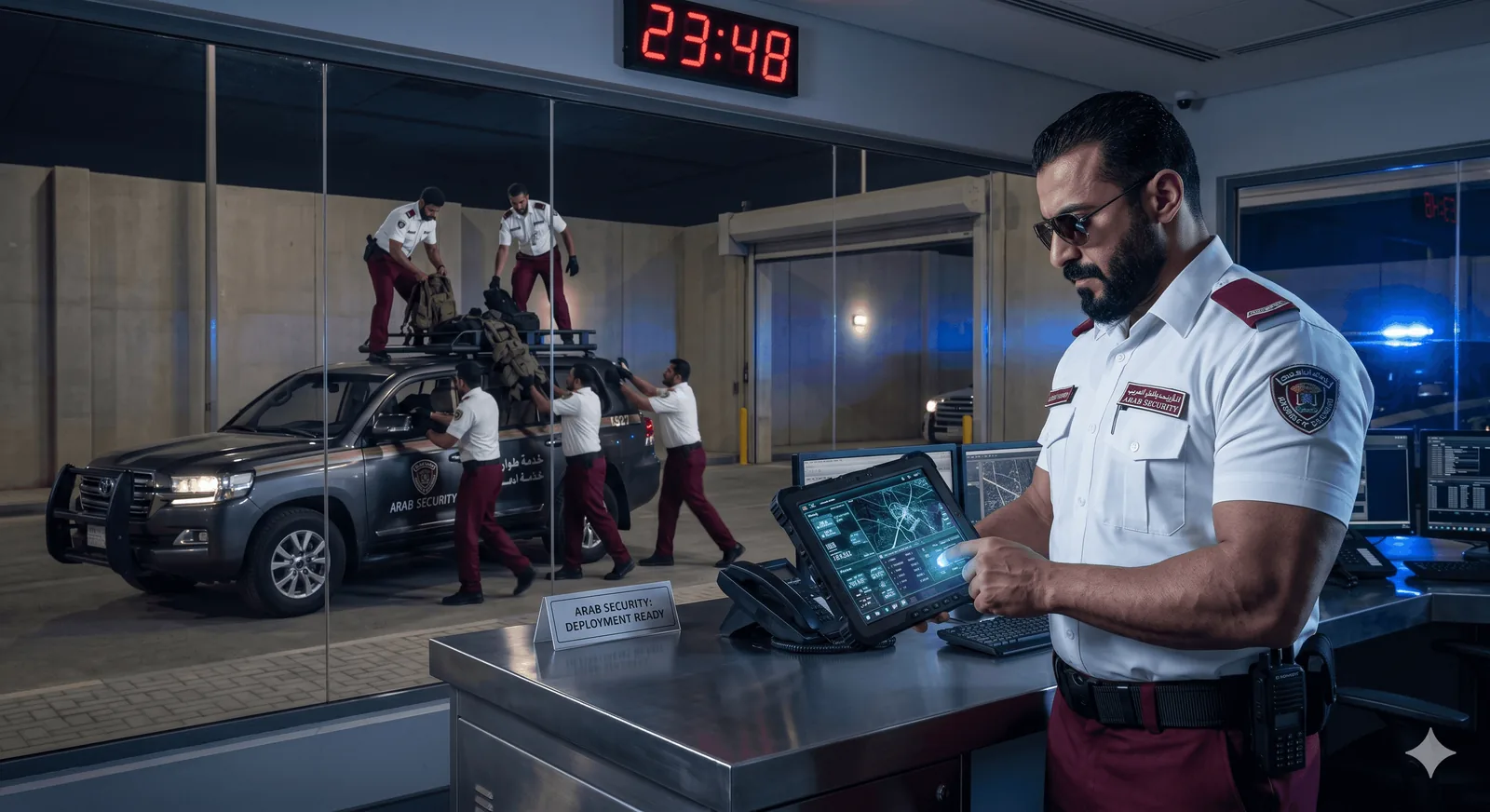
Fire watch is almost always urgent — a system fails, an inspector attends, hot work is scheduled for tomorrow. We can deploy in the major cities at short notice, typically within 24 to 48 hours, and faster where we already have teams nearby. See emergency deployment.
One honest caveat: on HCIS-regulated industrial sites, access permits take weeks regardless of urgency. Plan hot work fire watch into the schedule rather than discovering the constraint the day before.
Most commonly during hot work (welding, cutting, grinding), when fire detection or sprinkler systems are impaired for maintenance, during construction and fit-out before life-safety systems are commissioned, and where an insurer or authority requires it following an inspection. Requirements vary by authority and insurer, so confirm your specific obligation rather than relying on a general rule.
It continues for a defined period after the work ends, because sparks can smoulder for a long time before igniting. The most common failure on Saudi sites is a fire watch that packs up when the welder does. Confirm the required duration with your safety officer or insurer, as it varies.
No. Fire watch is a dedicated function — the guard's sole job is continuous patrol and detection on a defined interval. A guard watching a gate is not watching for fire. Combining the two means neither is being done, and the patrol log will show it.
No, and any provider suggesting otherwise is endangering their staff and exposing you. A fire watch guard detects, raises the alarm, evacuates and escalates. Extinguisher use applies only to a small incipient fire with a clear escape route behind him.
Because the log is what proves the watch was actually kept. If a fire occurs or an inspector attends, an unlogged fire watch is effectively an absent one as far as your insurer is concerned. Ask to see a sample log before engaging any provider.
Tell us about your site and we will come back with a realistic scope — including if the answer is that you need less than you think.